
Hormones affect more than most people realize. They influence energy, sleep, mood, metabolism, libido, temperature regulation, focus, and how your body responds to stress.
So when your hormones shift, the symptoms can show up in several ways. You might feel exhausted, foggy, irritable, anxious, restless, disconnected from your body, or frustrated by weight changes that don’t make sense.
Many patients hear these symptoms are “just aging,” “just stress,” or “just part of menopause.” Sometimes hormones are part of the story, but they’re not always the only factor. That’s why hormone therapy in Morehead City should start with a real conversation, not a quick prescription.
At Morehead City Functional Wellness, Dr. Tumolo takes time to understand your symptoms, health history, life stage, stress levels, and goals before recommending next steps.
What Hormone Therapy Can Support
Hormone therapy, also called hormone replacement therapy or HRT, supports patients whose hormone levels are clearly low and whose symptoms continue despite other interventions. Depending on your needs, HRT could involve estrogen, progesterone, testosterone, or a combination of support.
Hormone imbalances often contribute to:
- Low energy
- Poor sleep
- Brain fog
- Mood changes
- Low libido
- Weight changes
- Hot flashes or night sweats
- Temperature intolerance
- Metabolic changes
These symptoms can affect women’s health and men’s health. While many people connect HRT with menopause or andropause, chronic stress, inflammation, illness, poor sleep, and other health shifts can also cause hormone changes.
Why Testing Comes First
At Morehead City Functional Wellness, we don’t guess with hormones. Dr. Tumolo uses targeted diagnostic and wellness testing to better understand what your body is doing before building a plan.
Depending on your situation, testing could include sex hormone evaluation, DUTCH hormone testing, cortisol rhythm testing, or insurance-covered blood work.
Testing helps us see patterns. It also helps Dr. Tumolo decide whether hormone therapy in Morehead City is the right fit or whether another approach, like thyroid support or stress therapy should come first.
A Plan Built Around You
Hormone therapy isn’t one-size-fits-all. Two patients can have similar symptoms and need completely different plans. That’s why Dr. Tumolo reviews your labs alongside your symptoms, lifestyle, medical history, comfort level, and goals.
Your plan can include hormone support, nutrition changes, stress regulation, supplement guidance, sleep support, or attention to other root-cause issues. If HRT makes sense, Dr. Tumolo explains the benefits, limitations, and alternatives so you can make an informed decision.
Care also continues after treatment begins. Hormones change over time, so your plan may need adjustments based on how you feel, how your body responds, and what follow-up labs show.

Feel More Like Yourself
You shouldn’t have to push through symptoms that make daily life harder. You also shouldn’t have to make hormone decisions without clear information.
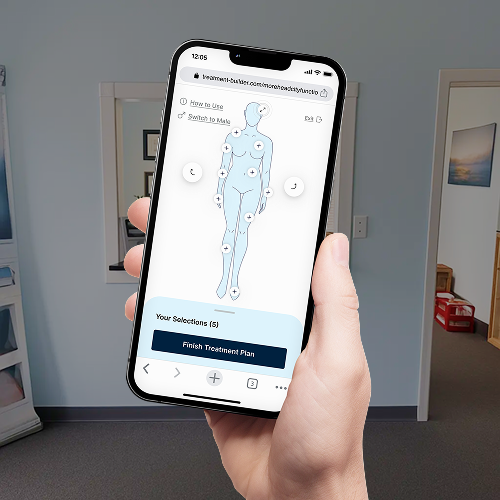
With hormone therapy in Morehead City, Dr. Tumolo helps you understand what may be contributing to your symptoms and what options fit your body. Request a consultation or use our treatment planning tool to take the next step.
Request a ConsultationBuild My Treatment Plan
FAQs About Hormone Therapy
Still have questions about hormone therapy? Refer to our FAQs here.
Is hormone therapy only for menopause?
No. Hormone therapy is often used during menopause, but hormone changes can affect both men and women at any stage of life. Symptoms, labs, health history, and goals all guide the conversation.
Will I need testing before hormone therapy?
Yes. Testing helps Dr. Tumolo understand your hormone levels, cortisol patterns, and other factors that are affecting how you feel before recommending treatment.
What if hormone therapy isn’t right for me?
If HRT isn’t the right fit, Dr. Tumolo will talk through other options. These could include nutrition support, lifestyle changes, stress regulation, supplements, or addressing other root-cause concerns.